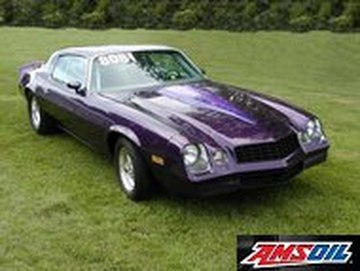
Lubrication Maintenance for the 1981 Chevrolet CAMARO 5.0L
Maintaining a classic vehicle like the 1981 Chevrolet CAMARO requires a disciplined approach to routine service. For those operating the 5.0L engine, consistent attention to lubrication and fluid integrity is a cornerstone of long-term mechanical health. Because older engines operate under different thermal and mechanical stresses than modern counterparts, understanding how to monitor and manage your engine oil is essential for preserving the vehicle's performance.
Monitoring Fluid Integrity and Potential Leaks
One of the most effective ways to stay ahead of maintenance needs is through regular visual inspections. For a 1981 Chevrolet CAMARO, checking for signs of fluid seepage or leakage can prevent minor issues from becoming significant mechanical concerns. When inspecting the engine bay, look for any wetness or dark staining around various sealing surfaces and gaskets. Even small amounts of oil residue can indicate that a seal is beginning to age or that a gasket may require attention.
It is also beneficial to inspect the area beneath the vehicle after it has been parked for an extended period. Any visible drips on the driveway can serve as an early warning sign regarding the condition of your lubrication system. If you notice changes in how much oil the engine seems to use between service intervals, this warrants a closer investigation into potential leak sources or changes in the engine's operating state.
Observing Changes in Lubricant Condition
The appearance and behavior of your engine oil can provide valuable information about the internal environment of the 5.0L engine. During routine checks, pay close attention to the color and texture of the lubricant on the dipstick. While oil naturally darkens over time due to use, extreme discoloration or a gritty texture may indicate that the oil has been subjected to excessive heat or that contaminants are present.
If you notice unusual mechanical noises during startup or while idling, it is wise to investigate whether these sounds are related to lubrication. While symptoms can have many different causes, changes in how an engine sounds often correlate with the quality or level of the lubricant being used. Furthermore, if you observe any unexpected exhaust smoke, this should be investigated promptly, as it may be associated with how the engine is managing its oil.
Prioritizing Maintenance Through Documentation
For owners of a 1981 Chevrolet CAMARO, establishing a clear maintenance baseline is one of the most practical steps toward responsible ownership. If you have recently acquired the vehicle and do not have access to previous service records, your first priority should be to document every inspection and fluid change moving forward. This creates a historical log that helps you identify patterns, such as how quickly the oil degrades or if certain components require more frequent attention.
When reviewing your maintenance history, look for evidence of consistent care. If there are gaps in the records, use current inspections to determine the actual condition of the vehicle rather than making assumptions based on its age. Addressing active leaks or addressing any observed warning signs should always take precedence over general preventive tasks. By focusing on the current mechanical reality of your 5.0L engine, you can make more informed decisions about when to perform specific services.
Managing Aging Components and Systems
As vehicles age, certain materials and components naturally undergo changes in their physical properties. When performing routine service on a 1981 Chevrolet CAMARO, it is useful to inspect various peripheral systems that support the engine's operation. If equipped, check accessible drive belts for signs of deterioration such as cracking, glazing, or fraying. Similarly, if present, inspecting hoses for softness, swelling, or brittleness can help prevent unexpected failures.
Electrical connections and wiring should also be monitored for signs of corrosion or wear, as these can impact the overall reliability of the vehicle. Maintaining a clean engine environment by removing accumulated debris can also assist in better heat management and make it easier to spot new leaks as they develop. Rather than replacing parts simply because they are old, focus on condition-based maintenance—replacing components only when they show tangible signs of wear or impending failure.
The Role of High-Mileage Formulations
As engines accumulate significant mileage over decades, the requirements for lubrication may evolve. Some high-mileage oil formulations contain additives intended for use in aging engines. These specialized lubricants often include seal-conditioning additives that are designed to help maintain the integrity of various gaskets and seals. While these products are not a substitute for repairing active leaks, they can be a useful consideration when selecting a lubricant for an engine with many years of service.
When deciding between conventional, synthetic blends, or full synthetic oils, consider the specific needs of your 5.0L engine and how it is used. Synthetic lubricants often provide enhanced thermal stability and better resistance to oxidation, which can be beneficial during extended periods of operation. However, the most important factor remains matching the lubricant to the specific requirements of your application.
Practical Advice for Buying Engine Oil for a 1981 Chevrolet CAMARO 5.0L
When you are ready to purchase new lubricant, do not rely on general automotive knowledge or assumptions based on the vehicle's age to determine the correct grade. The most accurate way to ensure you are using the correct product is to match the engine oil to the application-specific viscosity information already displayed on this page.
Before completing your purchase, always check the product labeling to verify that the oil meets the appropriate quality standards and certifications for your needs. Whether you choose a conventional oil, a synthetic blend, or a high-mileage formulation, ensure the selection aligns with the specific viscosity and application details provided in the technical data above. Following these guidelines ensures that your 1981 Chevrolet CAMARO receives the exact lubrication it requires for optimal operation.